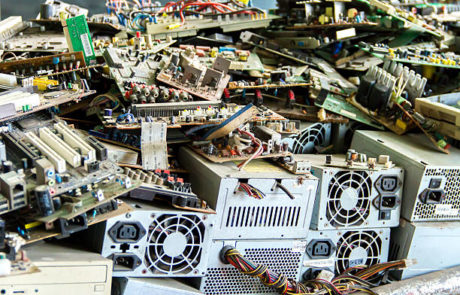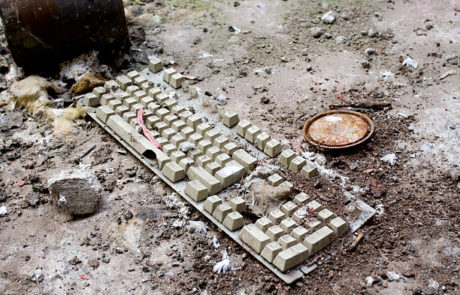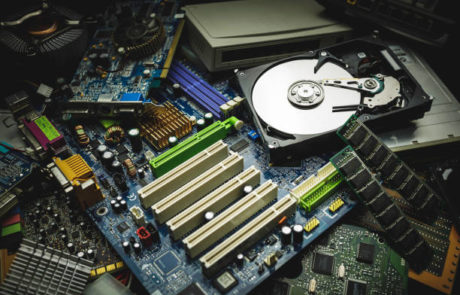
It has become an increasingly large problem in the world today, and the consequences of these discarded devices reaching landfills are very serious. When ewaste reaches landfills, it creates a number of environmental problems. It contains toxic components such as lead, mercury, and cadmium, which can leach into the soil and contaminate groundwater. These toxins can have a wide range of adverse health effects, including birth defects, kidney and liver damage, nervous system damage, and even cancer.
In addition, when ewaste is burned in open fires, these toxins can be released into the air, leading to air pollution. Another problem with ewaste in landfills is that it is a major source of greenhouse gases. Many of the components in ewaste contain greenhouse gases, such as chlorofluorocarbons (CFCs) and hydrofluorocarbons (HFCs). When these gases are released into the atmosphere, they contribute to the greenhouse effect and global warming.
In addition, some of the plastics used in ewaste can contain flame retardants and other chemicals which can have a negative impact on the environment when they are released into the air. Finally, ewaste in landfills also has a negative impact on the economy. It is estimated that the cost of disposing of ewaste in landfills is three to five times more expensive than recycling it. This means that disposing of ewaste in landfills costs money which could be used for other projects. In addition, when ewaste is not recycled, valuable resources such as metals, plastics, and other materials are wasted, leading to a decrease in resources available for other uses. Ewaste in landfills is a serious problem with many negative consequences.
The toxic components in ewaste can leach into groundwater and contaminate the environment, the gases in ewaste can contribute to global warming, and the cost of disposing of ewaste in landfills is more expensive than recycling it. For these reasons, it is important to take steps to prevent ewaste from reaching landfills. Ewaste should be recycled or properly disposed of in order to reduce the negative impact on the environment and the economy.