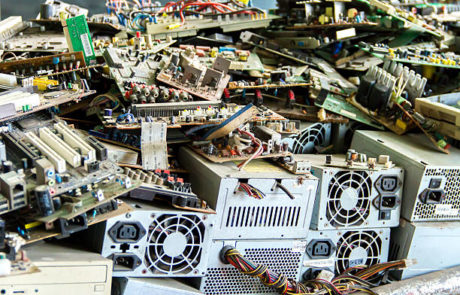

As technology progresses, more and more electronics are being used, but not all of them are properly recycled. California has taken a lead role in the effort to recycle and properly dispose of ewaste. California has some of the toughest ewaste recycling laws in the nation. The Electronic Waste Recycling Act of 2003 was signed into law in California and is the first state law in the nation to require the recycling of electronic waste (e-waste).
This law requires all electronic waste to be recycled and provides incentives for consumers to drop off their ewaste at designated collection sites. The law also sets standards for the proper recycling and disposal of ewaste and requires manufacturers to pay for the recycling of their products. In addition to the Electronic Waste Recycling Act of 2003, California also has a number of other initiatives to encourage the recycling of ewaste.
The California Electronic Waste Recycling Program was established in 2007. This program provides free collection events for consumers to recycle their ewaste and also provides incentives for businesses to recycle their ewaste. The program also requires manufacturers to offer free recycling of their products. The California Department of Toxic Substances Control (DTSC) is responsible for enforcing California’s ewaste recycling laws. DTSC inspectors are tasked with ensuring that ewaste is properly recycled and disposed of. DTSC also provides resources for consumers and businesses to properly recycle their ewaste. The California Electronic Takeback Coalition is another group dedicated to promoting ewaste recycling in California.
This coalition is made up of environmental organizations, public interest groups, and ewaste recyclers. The coalition works with businesses and organizations to promote ewaste recycling and also works with the government to ensure that ewaste laws are properly enforced. In addition to the laws and initiatives mentioned above, California has also implemented a number of other best practices to encourage the recycling of ewaste. One of these practices is to require manufacturers to provide information on how to properly recycle their products. This information must include information on where to recycle the product, what materials should be recycled, and how to properly dispose of the materials.
The California State University Ewaste program is another example of best practices established in California to promote ewaste recycling. This program encourages all 23 campuses of the California State University System to recycle their ewaste. The program also provides resources and information to students and staff on how to properly recycle their ewaste. Finally, the City of San Francisco has implemented a number of best practices to promote ewaste recycling. These practices include providing information on how to properly recycle ewaste, providing incentives for businesses to recycle their ewaste, and working with manufacturers to ensure that their products are properly recycled. In conclusion, California has established a number of best practices to promote the recycling of ewaste.
These practices have helped to reduce the amount of ewaste that is ending up in landfills and have helped to promote a more sustainable lifestyle. By implementing these best practices, California is helping to lead the way toward a greener future.