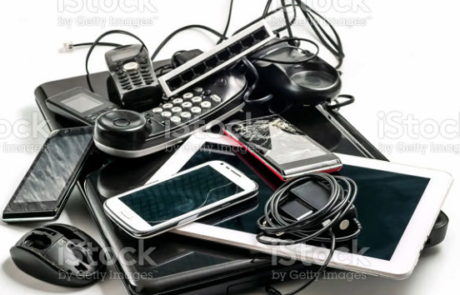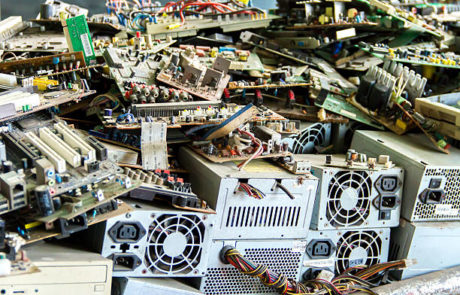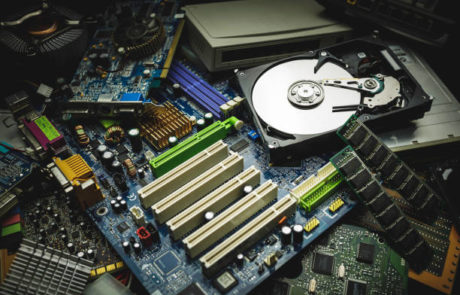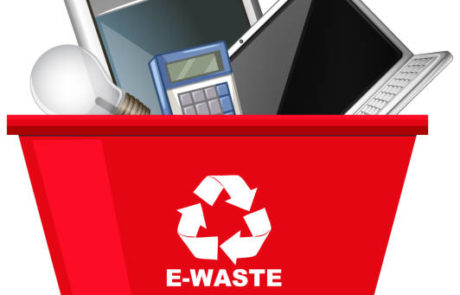

The increase in technology and the speed at which new technology is released has led to a massive increase in the amount of ewaste that is produced each year. Ewaste is any form of electronic waste, such as computers, printers, televisions, cell phones, and other electronic products. It is estimated that over 50 million metric tons of ewaste are produced each year and this number is growing. The main problem with ewaste is that it contains hazardous materials such as lead, mercury, and cadmium that can be dangerous if not handled properly.
These materials can leach into the environment and soil and can cause serious health problems in people, animals, and plants. In addition to these hazardous materials, ewaste also contains valuable materials such as gold, silver, and copper that can be recycled and reused. The disposal of ewaste is another problem.
Many countries do not have the infrastructure to properly dispose of ewaste and it often ends up in landfills or is shipped to countries with less stringent regulations. This can lead to contamination of the environment and the release of hazardous materials. Fortunately, there are some solutions to the ewaste problem. One is to reduce the amount of ewaste produced in the first place by encouraging the reuse and recycling of electronics.
This can be done by offering incentives for people to recycle their old electronics, or by setting up collection centers for ewaste. Additionally, companies should be encouraged to use eco-friendly materials in their products and to design them so that they can be easily recycled or repaired. In conclusion, ewaste is a growing problem that needs to be addressed. By reducing the amount of ewaste produced, recycling existing ewaste, and encouraging the use of eco-friendly materials in products, we can help reduce the environmental and health risks associated with ewaste.