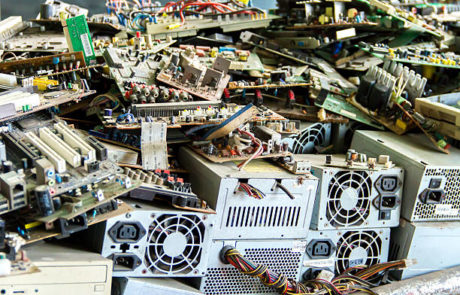

Ewaste consists of discarded electronic items such as computers, cell phones, televisions, and other electronic products. As technology advances, more and more of these items become obsolete and are discarded, leading to a huge buildup of ewaste in landfills and other areas. This ewaste contains hazardous materials such as lead, mercury, and cadmium, which can cause serious health problems if ingested or inhaled.
In response to this growing problem, many states, including California, have implemented ewaste cleanup measures. The goal of these programs is to reduce the amount of ewaste that is illegally dumped in landfills and other areas, and to make sure that any ewaste that is disposed of is done so safely and responsibly. The first step in California’s ewaste cleanup approach is to identify and track the sources of illegal ewaste dumping.
This can be done through tracking devices, such as GPS and RFID tags, which are attached to ewaste containers and can be used to monitor their movements. This information can then be used to identify and prosecute those responsible for illegal dumping. Once the sources of illegal ewaste dumping have been identified, the next step is to develop strategies for cleaning up the ewaste. This may include collecting and properly disposing of the ewaste, as well as implementing measures to ensure that the ewaste does not end up in landfills or other areas where it can harm the environment. To ensure that ewaste is disposed of properly, California has implemented a number of regulations and initiatives. One of these is the Electronic Waste Recycling Act of 2003, which requires manufacturers of electronic products to offer free and convenient recycling services. This program encourages consumers to properly dispose of their ewaste, and helps to divert it away from landfills and other areas where it can cause harm.
In addition, California has also implemented a program that requires all ewaste to be processed through a certified recycling facility. These facilities are required to follow strict safety regulations to ensure that all of the hazardous materials contained in ewaste are properly disposed of. This program also helps to reduce the amount of ewaste that ends up in landfills and other areas, and ensures that any ewaste that is disposed of is done so safely. Finally, California has created a number of incentives to encourage businesses to properly dispose of their ewaste. These include tax credits for businesses that recycle their ewaste, and grants for businesses that create jobs in the ewaste recycling industry.
These incentives are designed to encourage businesses to recycle their ewaste, and help to reduce the amount of ewaste that ends up in landfills and other areas where it can cause harm. California’s approach to ewaste cleanup has been successful in reducing the amount of ewaste that is illegally dumped in landfills and other areas. By implementing regulations, incentives, and tracking systems, California has been able to reduce the amount of ewaste that is illegally dumped, and help to protect the environment and public health.